
FedEx: How Can Cross-Border E-Commerce Ensure Compliant Order Fulfillment and Solve Export Trade Challenges? | E-Commerce Essentials, Issue 3
Cross-Border E-Commerce Boom
Everyone says cross-border e-commerce is booming. A large number of individuals and businesses have entered this field, and posts and articles on various platforms are sharing tips on how to make money through cross-border e-commerce. So where are the business opportunities that foreign trade companies, especially traditional foreign trade companies, should focus on?
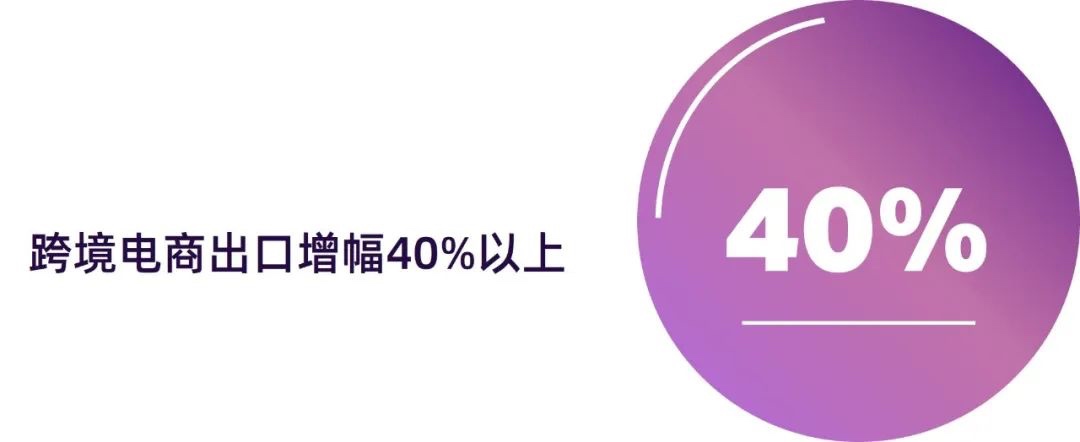
Here is a set of data to share.
Compliant Fulfillment
Examples of Common Export Models for Cross-Border E-Commerce B2B
Cross-border e-commerce companies mainly export under the following customs supervision models:
General Trade 0110
Known as direct export under general trade, 0110 involves B2B online/offline transactions. Online transactions may be conducted via email, for example.
This customs supervision method does not apply to:
1.Import and export samples and advertising materials, which fall under “Samples and Advertising Materials A” (3010) or “Samples and Advertising Materials B” (3039).
2.Goods temporarily imported or exported with approval by entities that are not qualified to engage in foreign trade, which fall under “Other Trade” (9739).
3.Goods imported as in-kind compensation for wages paid to workers in overseas labor service cooperation projects (such as steel, timber, fertilizers, and seafood); equipment and supplies obtained abroad during overseas contracted projects or purchased overseas. These fall under “Contracted Project Imports” (3410).
Cross-Border E-Commerce B2B Direct Export 9710
After a domestic company makes a deal with an overseas company through a cross-border e-commerce platform, the goods are exported directly to the overseas company via cross-border logistics.
Cross-Border E-Commerce Exports to Overseas Warehouses 9810
A domestic company first exports goods to an overseas warehouse via cross-border logistics. After a transaction is completed through a cross-border e-commerce platform, the goods are shipped from the overseas warehouse to the overseas buyer.
The 9810 model uses overseas warehouses. In addition, the customs declaration value for 9810 is estimated, so in practice, product pricing and declared values under 9810 are subject to very strict requirements.
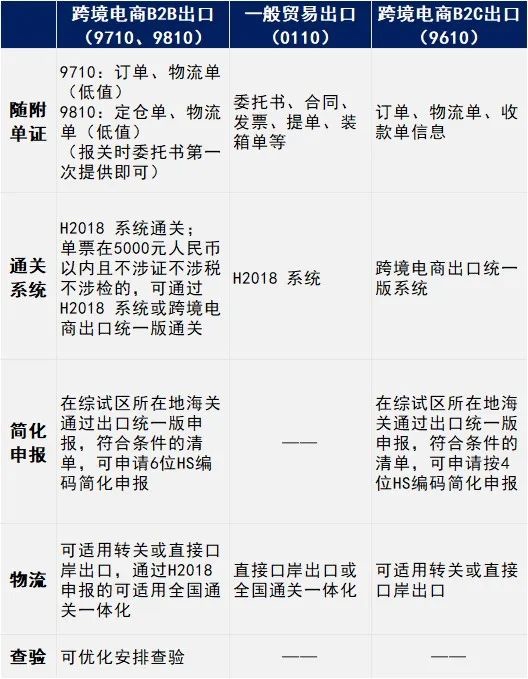
What requirements must be met to make compliant declarations under 9710 and 9810?
1. The company must be a cross-border e-commerce business
The company must complete customs registration for e-commerce businesses.
For 9810, it must also complete customs registration for cross-border e-commerce overseas warehouses.
2. All orders must be transactions completed through a cross-border e-commerce platform
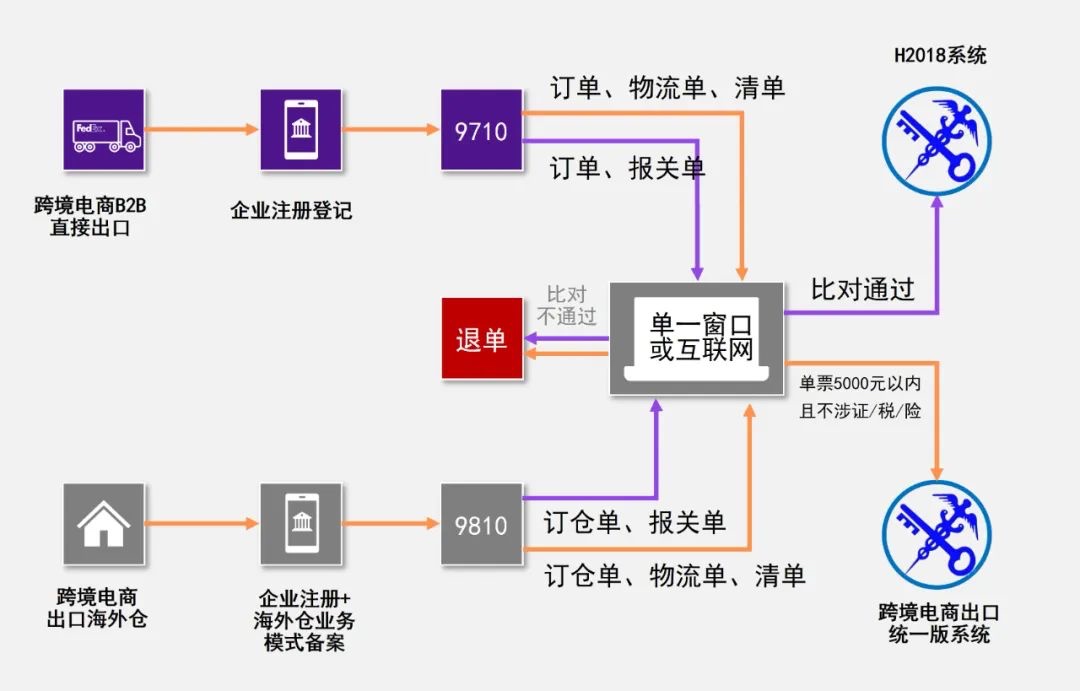
3. Before each export shipment, a 9710 cross-border e-commerce order number or a 9810 cross-border e-commerce warehouse order number must be submitted to customs before an export customs declaration can be filed.
Illustration of the Company Declaration Process
Original source: https://mp.weixin.qq.com/s/AKaEq7cQGz1tjCIHLisLlQ
