
FedEx: E-commerce Shipping Guide | E-commerce Essentials, Issue 2
E-Commerce Shipping · A Beginner's Guide
E-Commerce
If you sell products on the internet, you need to get those products to your customers.
That's where shipping comes in. From pricing, packaging, tracking, and insurance to shipping carriers, returns, and more, we'll walk you through the basics of e-commerce shipping, step by step.
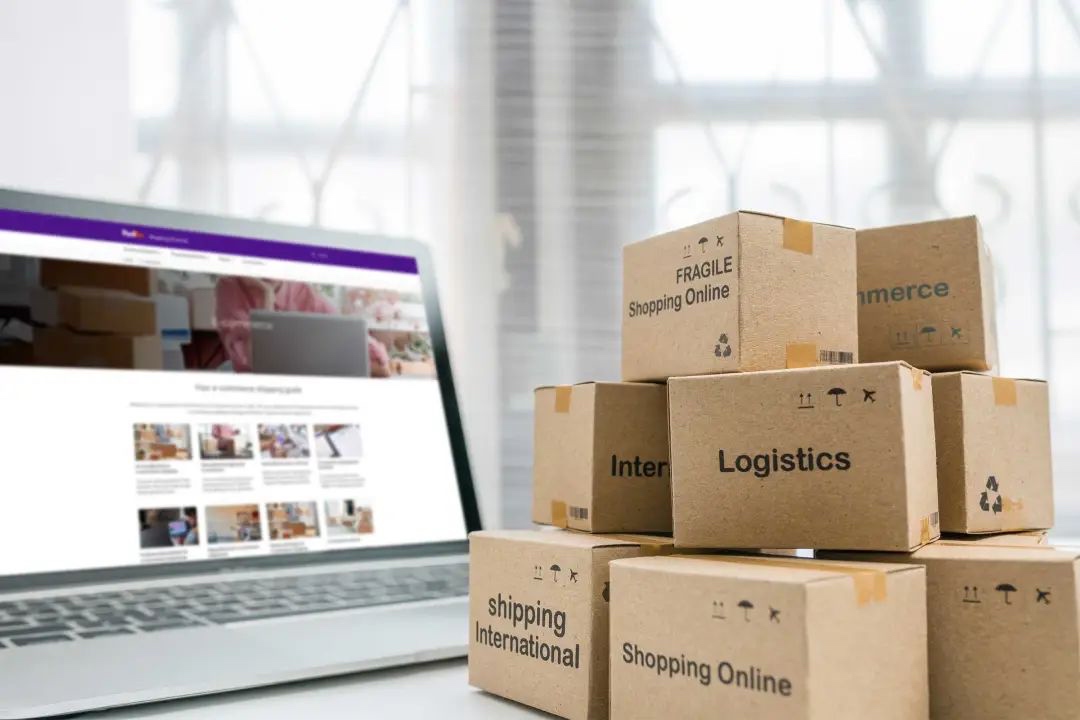
This article covers the following topics. It takes 8-10 minutes to read in full; we recommend bookmarking it first.
- What is e-commerce?
- What is e-commerce shipping?
- What is the difference between domestic and international shipping?
- Eight steps to e-commerce shipping:
— Your shipping strategy
— Carriers and their services
— Understanding shipping costs
— Defining your shipping rates and speeds
— Packaging, packing, and labeling
— Customs requirements (international shipping)
— Returns and exchanges
— Getting started with shipping
What is e-commerce?
E-commerce is the sale of goods or services over the internet. It is also known as online retail, online shopping, or internet retail.
When you visit an online store to buy a pair of shoes, you are participating in e-commerce. In addition to transactions involving goods and services online, e-commerce also involves the transfer of money and data.
There are different types of e-commerce businesses:
Business-to-consumer (B2C)
Business-to-business (B2B)
There is also consumer-to-consumer (C2C) e-commerce, which takes place on online platforms where individuals sell goods directly to one another.
E-commerce is useful not only for large businesses; it also enables small and medium-sized businesses to reach larger markets.
Year after year, e-commerce is becoming a major player in the retail industry, accounting for an ever-growing share of global sales.
What is e-commerce shipping?
Shipping is an important part of the e-commerce process because it transports products purchased online from sellers to buyers. After a digital transaction, it ensures the physical transfer of goods.
However, e-commerce shipping involves inventory management, packaging, budgeting, scheduling, working with carriers, returns, exchanges, and more. To ship successfully, e-commerce businesses need a sound shipping strategy and good working relationships with their carriers.
What is the difference between domestic and international shipping?
Shipping can be domestic or international, crossing borders into other countries and economic regions.
International shipping is more complex. A package must clear customs when leaving one country and must clear customs again to enter its destination country.
This may require more shipment management, document preparation, and expenditure.
How do you get started with e-commerce shipping?
Although carriers are responsible for moving your packages from A to B, there are still many aspects of your e-commerce business that you need to consider. Before you start shipping, follow these eight steps:
1. Create your e-commerce shipping strategy
A shipping strategy is a logistics plan tailored to your business.
It can cover areas such as your shipping pricing options, branding and customer journey, as well as integrated logistics. A strong strategy can help boost sales and grow your business.
Your e-commerce shipping strategy should cover the following topics:
- Destinations: Where will you ship?
- Carriers: Which shipping company will you choose? How much do they charge? What services do you need?
- Timing: How quickly do you want your goods to arrive?
- Costs and pricing: What will your shipping rates be? Who will pay? Will you prioritize fast or affordable shipping, or both?
- Packaging and labeling: How will you package your goods for shipping? How will you label your packages?
- Customs documents: What documents are required for international shipping? Do tariff policies apply?
- Returns and exchanges: What is your returns and exchanges policy?
- Technology: How would you like your shipping provider’s technical support to integrate with your online store?
This is the starting point for your strategy,
now let’s take a closer look at each topic.
2. Research shipping companies and their services
The main purpose of a shipping company is to deliver packages at an agreed price within a specified time frame. However, e-commerce businesses often need additional services from carriers, including:
- Insurance: Covers packages that are lost or damaged in transit.
- Package tracking: Senders and recipients can track the progress of a shipment.
- Flexible delivery options for recipients: For example, customizable delivery times, express delivery, weekend delivery, or local pickup.
- Consolidation: Grouping multiple packages in bulk for specific destinations to reduce costs or simplify customs clearance.
- Customs brokerage: Helping international shipments clear customs smoothly.
- Returns services: From generating return labels to applying for tax refunds on international returns.
- Integrated online store features: APIs (application programming interfaces) integrate shipping functions directly into online stores, offering features such as real-time carrier rates, address validation, package tracking, or duty calculators.
- Business services: Get better customer support through your own dedicated account manager.
You may find one carrier that meets all your needs, or you may need a combination of carriers for different purposes, such as domestic, international, or returns.
3. Understand shipping costs
Before setting shipping rates for your customers, it’s important to understand the factors that affect carrier shipping costs. The main factors are:
- Package size and weight: Does it fit into a standard envelope or package category? Is it oversized?
- Volumetric weight or package density: This refers to the package’s dimensions relative to its weight.
- Origin and destination addresses: Long-distance and cross-border shipping costs more.
Remember to consider any other preferences or needs you may have, such as:
- Delivery speed: For example, express versus standard delivery.
- Additional carrier services: For example, insurance, tracking, or customs brokerage.
- Customs charges: For example, duties, taxes, and any handling fees charged by the carrier.
Once you understand these details, you can compare rates from different carriers. With some sample rates, you can check the shipping costs associated with your products.
We’ll continue to cover the factors that affect shipping costs in a later article.
4. Set your shipping rates and delivery times
Once you’ve found a cost-effective shipping arrangement with a carrier, you can set e-commerce shipping rates for your customers. This mainly depends on your pricing strategy and who you want to cover the costs (whether you pay, your customers pay, or you share the costs).
Some common shipping rate options include:
- Free shipping: For purchases over a certain value.
- Flat-rate shipping: Within a country or region.
- Real-time carrier rates: Calculated in real time at checkout in your online store.
- Express or standard delivery: Allow customers to choose their preferred delivery speed and cost.
- Free or discounted local delivery or pickup: From the carrier’s pickup point.
5. Packaging materials, packaging methods, and labels
There are three main aspects to consider when preparing goods for shipment:
-
Packaging materials
The materials used to package products can also provide an opportunity to promote your brand and make a great impression on recipients. Creative or eco-friendly packaging can enhance the customer experience. -
Packaging methods
How goods are packaged is essential to ensuring they arrive safely. Using a suitably sized box, sealing it securely, and knowing how to pack fragile items with appropriate cushioning are among the skills you’ll need to master. We’ll also cover some common packaging mistakes to help you avoid them in a later article. -
Labels
Shipping labels should not only contain the correct details, but their placement on the package matters too—usually on the largest or topmost surface. Incorrect or damaged labels may delay your package.
6. Customs requirements for international shipments
If you ship e-commerce parcels across borders, they must first clear customs in the destination country before they can reach the recipient. This means there are additional requirements for international shipments, especially:
- Customs paperwork: Do you need to provide any additional documents or information with your shipment?
- Regulations: Does your company or product need to comply with the destination country’s regulations?
- Tariffs and taxes: Will any import duties or sales taxes be charged when your shipment enters the destination country?
- Returns: What is your process if a customer requests a return or exchange?
7. Returns and exchanges
Domestic returns can be very straightforward—as long as you make it clear to the customer who is responsible for the costs.
International returns are more complex. If duties and taxes have been paid, you may need to apply to the customs authorities in the destination country for a refund (duty drawback), and claim duty-free entry (duty relief) when the goods re-enter your own country. International logistics operators can often help you with this process.
As with shipping costs and delivery times, you can offer customers a range of return options.
8. Start shipping
As with anything, getting started is the hardest part. Once you’ve decided to begin your e-commerce journey, you can develop the best e-commerce shipping practices by adjusting your shipping strategy in a timely manner, tracking your shipments, and responding quickly to any delays or customer inquiries.
As your business grows, you may also need to explore more shipping features, such as:
- Setting up a business account with your carrier—to access additional services or lower rates.
- Integrating shipping tools into your online store—for example, to offer more precise shipping options or manage inventory.
This article is intended to provide general information about shipping. If you have specific shipping requirements, click “Open an account now” or consult your account manager. Be sure to check the rules and regulations of the country or region you’re shipping to before sending your shipment.
