Urgent: New DHL Delivery Scam Exposed—A Tax Payment Link Nearly Maxed Out a Credit Card
Latest Scam Tactic: International Parcels Turn into Traps
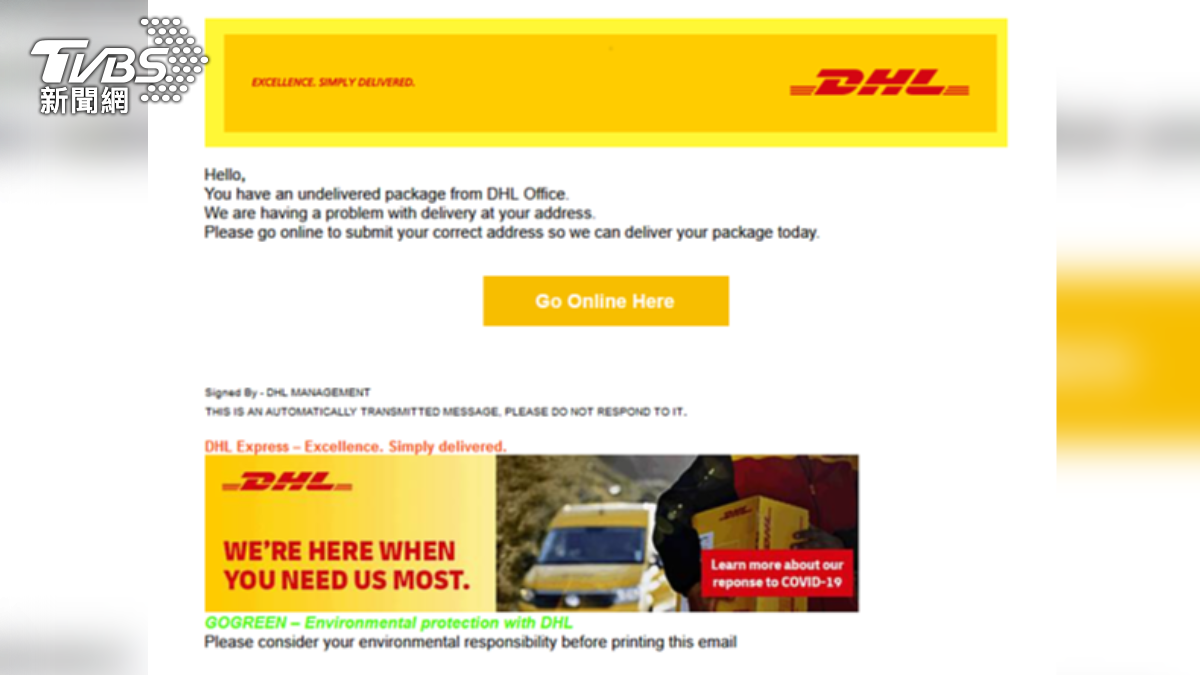
A person who had academic connections with a U.S. professor recently encountered a new type of scam while receiving an international shipment. They received an English-language email impersonating DHL, claiming they needed to pay an additional $7 in taxes or the parcel would be returned. After clicking the link and entering their credit card details, they received a text message asking them to verify a charge of up to **50,000 Turkish lira (about $1,323)**. They avoided a loss only by urgently stopping the payment.
Breaking Down the Key Steps in the Scam
❗️ A Carefully Designed Trap
- Impersonating official emails from international logistics companies
- Using English-language messages to lower people's guard
- Faking a small tax payment to lure people into clicking
⚠️ A Critical Security Flaw
- A phishing link installs a card-skimming program
- Entering credit card details immediately triggers a high-value transaction
- The use of Turkish lira causes confusion about the exchange rate
Police Share Three Anti-Scam Principles
▎Never click unfamiliar links!
This includes common messages about overdue utility bills, fines, prize notifications, and more.
▎Translate foreign-language messages first!
If you don't understand a message, be sure to ask a professional to check it.
▎If a payment looks suspicious, lock your card immediately!
If you notice a suspicious charge, contact your bank immediately to freeze your account.
A Public Guide to Preventing Scams
🛑 What to do when receiving an international parcel:
- Contact the sender directly to confirm the shipment status
- Look up the tracking number on the official website and don't click email links
- Verify any payment request with official customer service
Global logistics can hide risks. Protect your money with this rule: Any courier notification asking you to “pay first” is a scam!